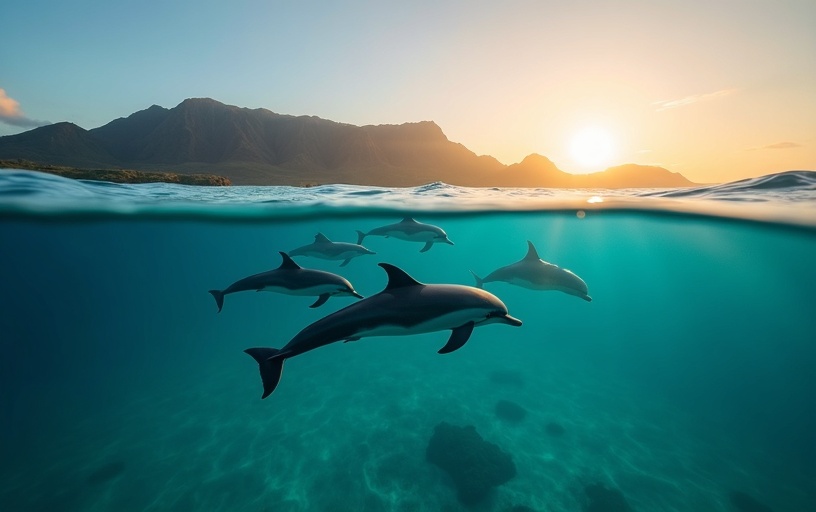

A complete guide to encountering dolphins and whales in their natural habitat off the coast of Mauritius. Learn about species, best seasons, and ethical practices.
Mauritius is one of the best places in the Indian Ocean to observe dolphins and whales in their natural habitat. The warm tropical waters attract several species throughout the year, offering unforgettable wildlife encounters. This comprehensive guide covers everything you need to know for a responsible and rewarding marine wildlife experience.
The waters surrounding Mauritius are home to over 20 species of cetaceans (whales and dolphins), though only a handful are regularly spotted. The island location along migration routes and the deep waters close to shore create ideal conditions for marine mammal watching.
## Dolphin Species in Mauritius
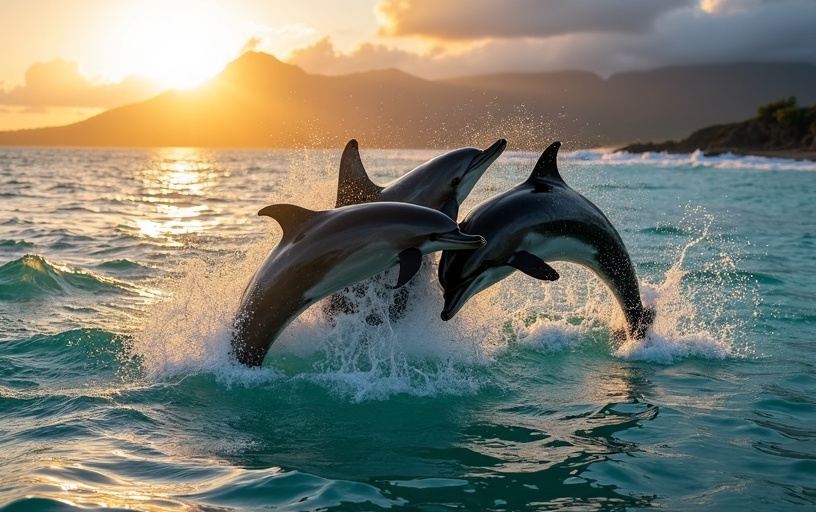
**Spinner Dolphins** are the most commonly seen species in Mauritius. These acrobatic dolphins are famous for their spectacular spinning leaps out of the water, rotating up to seven times in a single jump. They are named for this behavior, which scientists believe serves multiple purposes including communication, parasite removal, and pure play.
Spinner dolphins are relatively small, reaching 2 meters in length and weighing up to 80 kg. They have a distinctive three-tone coloration: dark gray on top, lighter gray on the sides, and white on the belly. Their long, thin beaks and triangular dorsal fins make them easy to identify.
These dolphins are highly social, living in pods of 10 to 100 individuals. In Mauritius, pods of 20-40 are most common, though super-pods of over 100 dolphins are occasionally seen. They are most active in the early morning, making sunrise trips the best time for sightings.
Spinner dolphins spend their days resting in shallow, protected bays like Tamarin Bay and Black River. At night, they move to deeper waters to hunt for fish and squid. This predictable behavior makes them relatively easy to find on morning tours.
**Bottlenose Dolphins** are the second most common species. These are the dolphins most people recognize from aquariums and movies. They are larger than spinners, reaching 3-4 meters in length and weighing up to 300 kg.
Bottlenose dolphins are highly intelligent and curious, often approaching boats to ride the bow wave. They are less acrobatic than spinners but still perform impressive leaps and tail slaps. Their behavior is more varied and unpredictable.
These dolphins live in smaller pods of 5-15 individuals in Mauritius. They are found year-round off the west coast, particularly around Le Morne and Tamarin. They are less predictable than spinners, making sightings more exciting when they occur.
## Whale Species in Mauritius
**Humpback Whales** are the stars of whale watching season in Mauritius. These magnificent creatures migrate from Antarctica to the warm Indian Ocean waters to breed and give birth. They pass through Mauritian waters between July and November, with peak sightings in September and October.
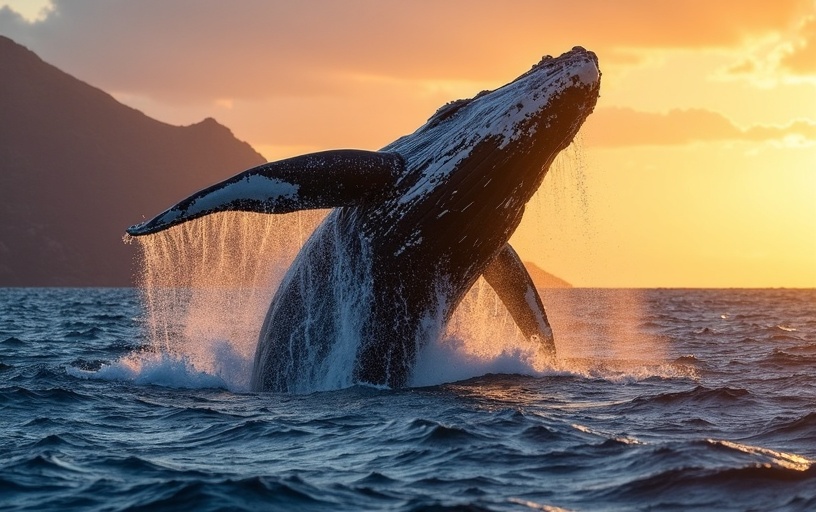
Humpback whales are massive, reaching 15-16 meters in length and weighing up to 40 tons. Despite their size, they are incredibly acrobatic, performing spectacular breaches (jumping out of the water), tail slaps, and pectoral fin slaps.
The whales are easily identified by their long pectoral fins (up to 5 meters), knobby heads, and distinctive tail flukes with unique patterns used by researchers to identify individuals. Their blow (breath) can reach 3 meters high and is visible from great distances.
Humpbacks are famous for their complex songs, which males sing during breeding season. These songs can last 20 minutes and be heard underwater from kilometers away. Some tour operators use hydrophones to let passengers hear the whale songs.
Mother-calf pairs are commonly seen in Mauritian waters. Watching a mother teaching her calf to breach is one of the most moving wildlife experiences possible. Calves are born weighing about 1 ton and grow rapidly on their mother rich milk.
**Sperm Whales** can be spotted year-round in the deep waters off the west coast, though they are more commonly seen between November and March. These are the largest toothed whales, with males reaching 18 meters and weighing up to 50 tons.
Sperm whales are deep divers, capable of diving to 2,000 meters and holding their breath for over an hour. They hunt giant squid in the deep ocean, an epic battle that happens in complete darkness.
These whales are less acrobatic than humpbacks, but their massive size is impressive. Their distinctive square heads make up one-third of their body length. Their blow is angled forward and to the left, making them easy to identify from a distance.
Sperm whales are usually seen alone or in small groups. Females and young form social groups while adult males are often solitary. They spend most of their time underwater, so sightings require patience.
## Best Locations for Dolphin and Whale Watching
**Tamarin Bay** on the west coast is the premier location for dolphin watching in Mauritius. The bay protected waters provide a resting area for spinner dolphins during the day. Boats depart from Tamarin at sunrise (around 6 AM) to find the dolphins.
The bay is surrounded by dramatic mountains including Le Morne Brabant, creating a stunning backdrop for your dolphin encounter. The calm morning waters and beautiful scenery make it an unforgettable experience.
Success rate for dolphin sightings from Tamarin is over 90% year-round. The dolphins are habituated to boats but still wild, so behavior varies. Some days they are playful and interactive, other days they are resting and less active.
**Black River** area, just south of Tamarin, is another excellent spot for dolphins and also good for whale watching. The deep waters close to shore make it possible to see whales from land during migration season.
Several viewpoints along the coast offer opportunities to spot whale blows and breaches from shore. Bring binoculars and patience — shore-based whale watching requires luck but is incredibly rewarding when successful.
**Le Morne Peninsula** on the southwest tip is excellent for both dolphins and whales. The deep waters and strong currents attract marine life, and the dramatic mountain backdrop makes for spectacular photos.
Some tour operators depart from Le Morne, offering a different perspective than Tamarin-based tours. The area is less crowded, providing a more intimate experience.
## Best Time for Dolphin and Whale Watching
**Dolphin Watching:** Year-round, but best from May to December when seas are calmer. Early morning trips (6-9 AM) offer the highest success rates as dolphins are most active at dawn.
Avoid dolphin watching during rough seas (June-August can be choppy) as the experience is less enjoyable and dolphins are harder to spot. Check weather forecasts and sea conditions before booking.
Dedicated Tour Guides
Best Dolphin Swim Tour in Mauritius: What You Need to Know
Everything about swimming with wild spinner dolphins at Tamarin Bay — ethics, tips, and booking.
Read article →Whale Watching in Mauritius: Season, Boats, Tips & Best Tours
Full guide to humpback whale watching season (July–November) with tour recommendations.
Read article →**Whale Watching:** July to November for humpback whales, with peak sightings in September and October. During peak season, success rates exceed 80%. Early season (July-August) sees whales migrating south, while late season (October-November) sees them returning north with calves.
Sperm whales are possible year-round but more common November to March. They are less predictable than humpbacks, so sightings are more sporadic.
## What to Expect on a Dolphin Watching Tour
Tours typically depart at 5:30-6:00 AM to catch dolphins during their most active period. You will meet at the departure point (usually Tamarin or Black River) and board a speedboat or catamaran.
The boat heads out into the bay, and the crew scans the water for signs of dolphins — splashes, fins, or birds diving (which often indicate fish schools that attract dolphins). Once dolphins are spotted, the boat approaches slowly and carefully.
Ethical operators follow strict guidelines: maintain a distance of at least 50 meters, approach from the side (never head-on), limit time with each pod to 15-20 minutes, and never chase or surround the dolphins.
You will have opportunities to observe the dolphins from the boat. Some tours offer swimming with dolphins, but this is controversial. If swimming is offered, it should be passive — you enter the water and let the dolphins approach if they choose. Never chase or touch dolphins.
The entire experience lasts 2-3 hours, returning to shore around 8:30-9:00 AM. Some tours include snorkeling at a nearby reef.
## What to Expect on a Whale Watching Tour
Whale watching tours are longer, typically 3-4 hours, as whales are found in deeper waters further from shore. Tours depart from the west coast and head into the open ocean.
The crew uses binoculars to scan for whale blows (the spray when whales surface to breathe). Once a blow is spotted, the boat approaches slowly. Whales are unpredictable — they may surface multiple times in the same area or dive deep and disappear.
Humpback whales are curious and sometimes approach boats. Watching a 40-ton whale surface just meters from your boat is thrilling and humbling. The size is difficult to comprehend until you see it in person.
Breaching (jumping out of the water) is spectacular but unpredictable. Whales breach for various reasons including communication, parasite removal, and play. If you see a breach, consider yourself lucky — it is not guaranteed.
Patience is essential for whale watching. You may see whales immediately or spend an hour searching. The ocean is vast, and whales are wild animals. Even with experienced crews, some days are better than others.
## Ethical Wildlife Watching Guidelines
Choosing an ethical operator is crucial for protecting these magnificent animals. Look for operators who follow the Mauritius Marine Conservation Society guidelines and are certified by tourism authorities.
**Responsible operators will:**
- Maintain safe distances (50m for dolphins, 100m for whales)
- Approach slowly from the side, never head-on
- Limit time with each pod/individual (15-20 minutes)
- Never chase, surround, or separate mothers from calves
- Limit the number of boats around animals
- Turn off engines or idle when close to animals
- Educate passengers about conservation
- Report sightings to research organizations
**As a responsible tourist, you should:**
- Choose certified operators even if they cost more
- Never request the captain to get closer or chase animals
- Avoid tours that guarantee swimming with dolphins (wild animals cannot be guaranteed)
- Do not use flash photography
Plan Your Mauritius Trip
- Keep noise levels down on the boat
- Follow crew instructions at all times
- Report operators who violate guidelines
## Swimming with Dolphins — The Controversy
Many tours offer swimming with dolphins, but this practice is controversial among marine biologists and conservationists. While magical for humans, it can be stressful for dolphins, especially when multiple boats and swimmers are involved.
Spinner dolphins come to shallow bays to rest during the day. Constant disturbance from swimmers can disrupt their rest patterns, potentially affecting their health and behavior. Some studies show dolphins in heavily touristed areas spend less time resting and more time avoiding humans.
If you choose a tour that includes swimming, select operators who practice passive observation — you enter the water and remain still, allowing dolphins to approach if they choose. Never chase, touch, or surround dolphins.
Consider that observation from the boat can be equally rewarding and less disruptive. You can see more natural behaviors when dolphins are not stressed by swimmers in the water.
## Photography Tips
Bring a camera with a good zoom lens (200-300mm) for boat-based photography. Dolphins and whales are fast-moving, so use a fast shutter speed (1/1000s or faster) to freeze action.
For underwater photography while swimming with dolphins, use a GoPro or waterproof camera with a wide-angle lens. Dolphins move quickly, so anticipate their movements.
The best light is early morning when the sun is low, creating beautiful golden tones. Avoid midday when harsh overhead light creates strong shadows.
Be patient and take lots of photos. Wildlife photography requires luck and persistence. For every great shot, you will take dozens of misses.
Do not use flash photography — it can startle and stress animals. Modern cameras perform well in natural light.
Protect your equipment from salt spray with a waterproof bag or cover. Salt water can damage cameras and lenses.
## What to Bring
Waterproof camera or phone case, binoculars for spotting distant animals, sunscreen and hat (sun is intense on the water), light jacket (mornings can be cool and wind chill on the boat is significant), motion sickness medication if prone to seasickness, water and snacks, and cash for tips (crew tips are customary if you had a good experience).
## Conservation Status and Threats
While dolphin and whale populations in Mauritius are relatively healthy, they face threats including boat strikes, entanglement in fishing gear, pollution, and climate change affecting prey availability.
Tourism, when done responsibly, can actually benefit conservation by providing economic incentives to protect marine habitats and species. The revenue from whale and dolphin watching supports local communities and funds conservation efforts.
You can contribute to conservation by choosing ethical operators, following guidelines, supporting marine conservation organizations, and spreading awareness about responsible wildlife watching.
## Our Dolphin and Whale Watching Tours
We offer ethical dolphin watching tours from Tamarin Bay with experienced crews who prioritize animal welfare. Our boats are equipped with safety equipment and our captains are trained in responsible wildlife watching practices.
During whale season (July-November), we offer dedicated whale watching tours with marine biologists who provide educational commentary about whale behavior and conservation.
All our tours follow strict ethical guidelines, maintain safe distances, and limit time with animals. We believe in providing unforgettable experiences while protecting the wildlife that makes them possible.
Related Activities You Might Enjoy
Get Mauritius Travel Tips in Your Inbox
Join 5,000+ travelers receiving weekly insider tips, exclusive deals, and destination guides.