
Swimming with wild dolphins in Mauritius is a bucket-list experience. Learn about the best dolphin swim tours, ethical practices, what to expect, and how to choose a responsible operator for this unforgettable encounter.
Swimming with wild dolphins in the warm waters of Mauritius is one of the most magical experiences the Indian Ocean has to offer. Every morning, pods of spinner and bottlenose dolphins gather in the sheltered bays along the west coast, offering visitors a rare chance to observe — and sometimes swim alongside — these incredible creatures in their natural habitat.
But not all dolphin swim tours are created equal. Choosing the right operator can mean the difference between a respectful, life-changing encounter and a stressful experience for both you and the dolphins. This guide covers everything you need to know about dolphin swimming tours in Mauritius, including how to choose an ethical operator, what to expect, and how to make the most of your experience.
## Where Dolphins Live in Mauritius
The west coast of Mauritius, particularly the stretch between Tamarin Bay and Black River, is home to resident populations of two dolphin species. These dolphins are not migratory — they live here year-round, making sightings highly reliable.
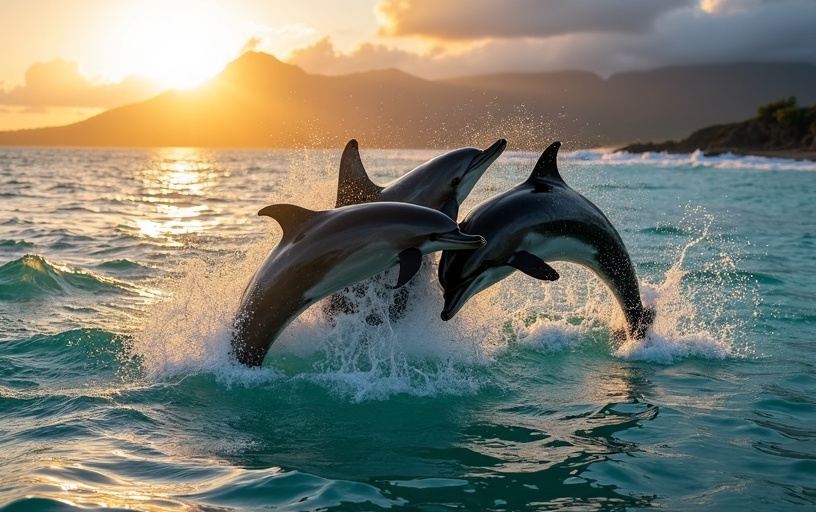
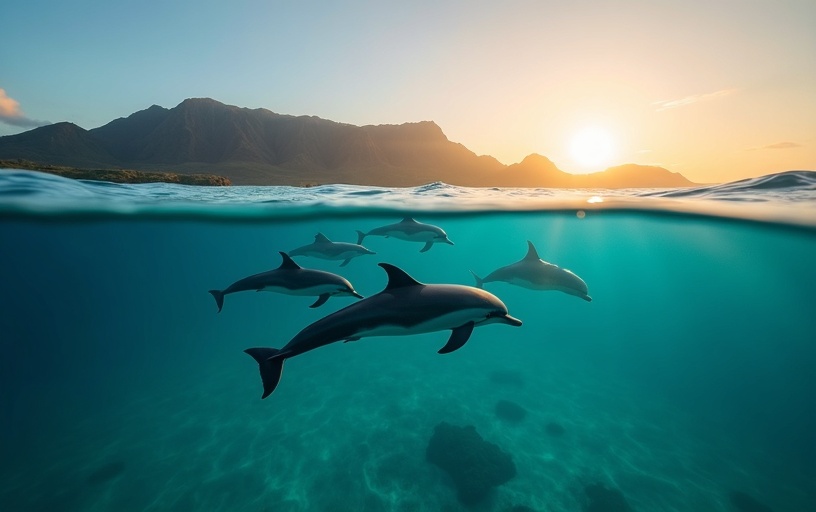
**Tamarin Bay** is the primary location for dolphin swim tours. This sheltered bay provides calm, warm waters where spinner dolphins rest during the day after hunting in deeper waters at night. The bay is surrounded by dramatic mountains, creating a stunning backdrop for your dolphin encounter.
**Black River Bay**, just south of Tamarin, is another excellent spot. Bottlenose dolphins are more commonly seen here, often in smaller pods. The deeper waters attract larger marine life, and you may also spot sea turtles and rays.
The dolphins follow a predictable daily pattern. They hunt in deep offshore waters at night, then return to the shallow, protected bays at dawn to rest and socialize. This is why morning tours have the highest success rates — you are visiting the dolphins during their natural resting period.
## The Two Dolphin Species You Will Meet
### Spinner Dolphins
Spinner dolphins are the stars of Mauritius dolphin tours. Named for their spectacular aerial spins — they can rotate up to seven times in a single leap — these acrobatic dolphins are a joy to watch.
They are relatively small (1.5-2 meters long) with a distinctive three-tone coloration: dark gray on top, lighter gray on the sides, and white on the belly. Their long, thin beaks and triangular dorsal fins make them easy to identify.
Spinners are highly social, living in pods of 20-100 individuals. In Mauritius, pods of 30-50 are most common. They are playful and curious, sometimes approaching boats and swimmers voluntarily. Their spinning leaps are believed to serve multiple purposes: communication, parasite removal, and pure play.
During the day, spinner dolphins rest in a semi-conscious state called logging, where they swim slowly near the surface. This is when most tours encounter them. It is important to understand that they are resting — excessive disturbance can disrupt their sleep patterns.
### Bottlenose Dolphins
Bottlenose dolphins are the species most people recognize from movies and aquariums. They are larger than spinners (2.5-4 meters) with a robust body, short beak, and curved dorsal fin.
In Mauritius, bottlenose dolphins are found in smaller pods of 5-15 individuals. They are more curious and interactive than spinners, often approaching boats to ride the bow wave. Their behavior is more varied and unpredictable, making encounters exciting.
Bottlenose dolphins are incredibly intelligent, with brain-to-body ratios second only to humans. They use complex communication, cooperate in hunting, and have been observed using tools (sponges on their beaks to protect against rough surfaces while foraging).
## What to Expect on a Dolphin Swim Tour
### Before the Tour
Most dolphin swim tours depart very early — between 5:30 and 6:30 AM. This early start is necessary because dolphins are most active and visible at dawn. You will be picked up from your hotel and transferred to the departure point, usually Tamarin or Black River.
Before boarding, the crew provides a briefing covering safety procedures, dolphin behavior, and ethical guidelines. Pay close attention — understanding how to behave around dolphins is crucial for a positive experience.
### Finding the Dolphins
The boat heads out into the bay, and the crew scans the water for signs of dolphins — dorsal fins breaking the surface, splashes from spinning leaps, or birds diving (which often indicate fish schools that attract dolphins).
Success rates for finding dolphins exceed 90% year-round. The crew knows the dolphins habits and favorite spots. On most days, you will find them within 15-30 minutes of departure.
When dolphins are spotted, the boat approaches slowly from the side, never head-on. The captain maintains a respectful distance and observes the dolphins behavior before deciding whether swimming is appropriate.
### The Swimming Experience
If the dolphins are calm and receptive, the crew will invite you to enter the water. You slip in quietly from the side of the boat — no jumping or splashing. You wear a mask and snorkel, and optionally fins and a life jacket.
The key rule is **passive observation**. You float calmly in the water and let the dolphins come to you. Never chase, touch, or swim directly toward dolphins. If they are interested, they will approach on their own terms.
When dolphins choose to interact, the experience is magical. They may swim past you just meters away, make eye contact, or even circle around you curiously. Spinner dolphins sometimes perform their signature spins right in front of swimmers.
Also Worth Reading: Marine Wildlife in Mauritius
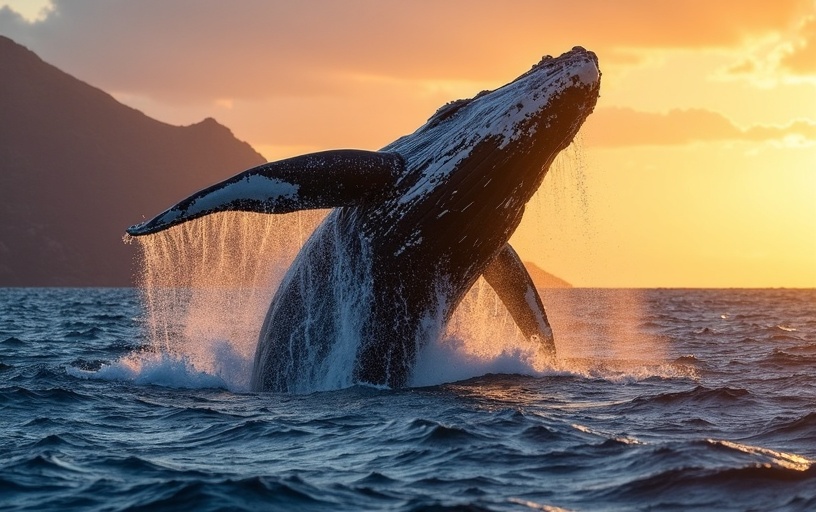
Whale Watching in Mauritius: Season, Boats, Tips & Best Tours
Discover humpback whales off the west coast — the perfect companion experience to dolphin swimming.
Read article →Dolphin & Whale Watching in Mauritius: What to Expect
A deeper dive into all cetacean species found in Mauritian waters and ethical watching practices.
Read article →The underwater visibility in Tamarin Bay is usually excellent (15-25 meters), allowing you to see dolphins clearly even from a distance. The morning light filtering through the water creates a beautiful, ethereal atmosphere.
Swimming sessions are typically limited to 15-20 minutes per encounter to minimize disturbance. The boat may move to find another pod for a second swimming opportunity.
### After Swimming
After the dolphin encounter, most tours continue with additional activities. Some include a snorkeling stop at a nearby coral reef, where you can see tropical fish and coral formations. Others offer refreshments on board.
The entire tour typically lasts 2-3 hours, returning to shore by 8:30-9:00 AM. This leaves the rest of your day free for other activities.
## Choosing an Ethical Dolphin Swim Operator
The ethics of swimming with wild dolphins is a topic of ongoing debate among marine biologists. When done responsibly, it can be a positive experience for both humans and dolphins. When done poorly, it can cause stress and behavioral changes in dolphin populations.
### Signs of a Responsible Operator
A responsible operator maintains a minimum distance of 50 meters when approaching dolphins by boat. They approach slowly from the side, never head-on or from behind. They limit swimming time to 15-20 minutes per encounter. They never chase, surround, or separate mothers from calves.
They limit the number of swimmers in the water at one time (maximum 8-10). They provide thorough briefings on dolphin behavior and ethical guidelines. They follow the Mauritius Marine Conservation Society guidelines. They report sightings to research organizations.
They will cancel swimming if dolphins show signs of stress (rapid swimming away, tail slapping, aggressive behavior). They prioritize animal welfare over customer satisfaction.
### Red Flags to Avoid
Avoid operators who guarantee swimming with dolphins (wild animals cannot be guaranteed). Avoid those who chase dolphins at high speed, allow large groups in the water simultaneously, encourage touching or feeding dolphins, or do not provide ethical briefings.
Also avoid operators who spend excessive time with a single pod (more than 20 minutes), allow multiple boats to surround dolphins, or prioritize photos over animal welfare.
## Best Time for Dolphin Swimming
**Year-Round Activity:** Dolphins are resident in Mauritius, so tours operate throughout the year. However, conditions vary by season.
**Best Months:** May to November offers calmer seas and better visibility. The water is slightly cooler (22-25°C) but comfortable. Morning conditions are typically excellent with flat, calm water.
**Summer (December-April):** Warmer water (26-29°C) but occasional rain and rougher seas. Dolphins are still present but may be in deeper water. Visibility can be reduced after rain.
**Time of Day:** Early morning (6-7 AM) is the only time for dolphin swimming. This is when dolphins are in the shallow bays. By mid-morning, they move to deeper water and are harder to find.
## What to Bring
Swimwear (wear it under your clothes for the early start), towel, reef-safe sunscreen (apply before departure), waterproof camera or GoPro (essential for capturing the experience), light jacket (mornings can be cool on the water), water and a light snack, motion sickness medication if prone to seasickness, and your own mask and snorkel if you have them (better fit than rentals).
## Tips for the Best Experience
**Be Patient:** Dolphins are wild animals. Some days they are playful and interactive, other days they are resting and less interested in swimmers. Accept whatever experience nature provides.
**Stay Calm in the Water:** Dolphins are sensitive to energy and movement. The calmer and quieter you are, the more likely they are to approach. Frantic swimming and splashing will drive them away.
**Use Fins:** Fins allow you to keep up with dolphins more easily and with less splashing. They also help you maintain a stable position in the water.
**Look Around:** Dolphins can approach from any direction. Do not fixate on one spot — keep scanning around you. They often appear from below or behind.
**Enjoy the Moment:** It is tempting to focus entirely on getting photos, but try to put the camera down for at least part of the experience. The feeling of being in the water with wild dolphins is something a camera cannot fully capture.
## Combining Dolphin Swimming with Other Activities
Explore More West Coast Experiences
The early finish time (around 9 AM) means you can easily combine dolphin swimming with other activities:
**Dolphin Swim + Catamaran Cruise:** Morning dolphins, then join an afternoon west coast catamaran cruise for sunset sailing.
**Dolphin Swim + Île aux Cerf:** After dolphins, transfer to the east coast for a day trip to Île aux Cerf by speed boat.
**Dolphin Swim + South Coast Exploration:** Spend the afternoon visiting Chamarel, Rochester Falls, and other south coast attractions.
**Dolphin Swim + Beach Day:** Return to your hotel for breakfast, then enjoy a relaxing day at the beach.
## Frequently Asked Questions
**What is the success rate for seeing dolphins?**
Over 90% year-round. The resident dolphin population and experienced crews make sightings highly reliable. Swimming opportunities depend on dolphin behavior on the day.
**Is it safe to swim with wild dolphins?**
Yes, when done with a reputable operator. Dolphins in Mauritius are not aggressive toward humans. Life jackets are provided, and the crew supervises all swimming activities.
**Can children participate?**
Most operators accept children aged 5 and above who are comfortable in the water. Children must wear life jackets. Parents should assess their child comfort level with open water and early mornings.
**Do I need to be a strong swimmer?**
Basic swimming ability is helpful but not essential. Life jackets are provided, and you can observe from the boat if you prefer not to swim. The water is calm in the sheltered bays.
**Will I definitely get to swim with dolphins?**
Swimming depends on dolphin behavior. If they are resting or showing signs of stress, responsible operators will not allow swimming. You will still observe them from the boat, which is also a wonderful experience.
**How close do dolphins come?**
When dolphins choose to interact, they may swim within 2-3 meters of you. Some individuals are more curious than others. Never try to close the distance yourself — let them come to you.
## Book Your Dolphin Swim Experience
Swimming with wild dolphins in Mauritius is a once-in-a-lifetime experience that combines adventure, nature, and pure magic. The warm waters of Tamarin Bay, the playful spinner dolphins, and the stunning mountain backdrop create an unforgettable morning.
We offer ethical dolphin swim tours with experienced crews who prioritize animal welfare. Our small group sizes (maximum 10 swimmers), thorough briefings, and strict adherence to conservation guidelines ensure a responsible and rewarding experience.
Book your dolphin swimming tour today and prepare for one of the most incredible wildlife encounters of your life. Contact us now to secure your spot — morning tours fill up quickly during peak season.
For more marine wildlife experiences, check out our Whale Watching Mauritius guide. If you prefer boat-based observation, read about our Catamaran Cruises that sometimes encounter dolphins along the west coast.
Related Activities You Might Enjoy
Get Mauritius Travel Tips in Your Inbox
Join 5,000+ travelers receiving weekly insider tips, exclusive deals, and destination guides.