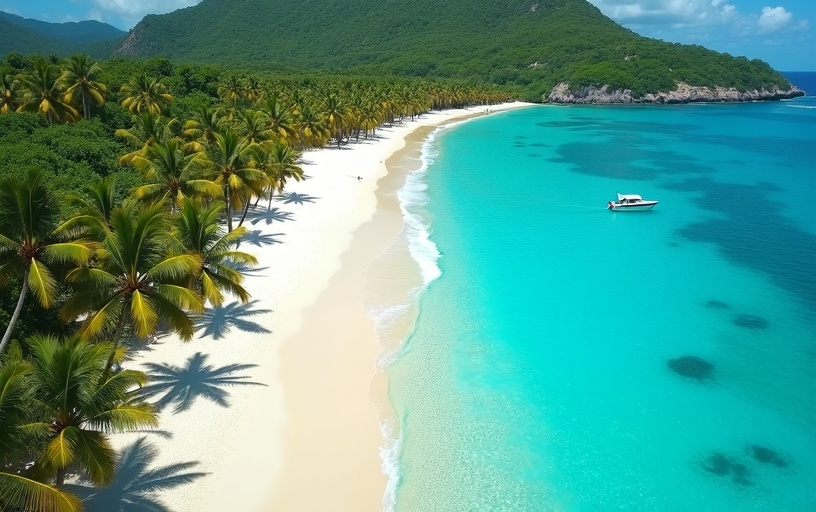

From the iconic Île aux Cerfs to hidden gems on the south coast, explore the most breathtaking beaches Mauritius has to offer with insider tips on each.
Mauritius is home to some of the most stunning beaches in the world. With over 160 kilometers of coastline surrounded by coral reefs, each beach offers a unique experience. From family-friendly shallow lagoons to dramatic wave-battered shores, this guide covers the absolute best beaches you must visit.
The island coral reef creates calm, turquoise lagoons perfect for swimming, snorkeling, and water sports. The white sand is actually crushed coral and shells, giving it that powdery texture and brilliant white color. Most beaches are public and free to access, though some are within resort properties.
## 1. Île aux Cerfs Beach — The Crown Jewel
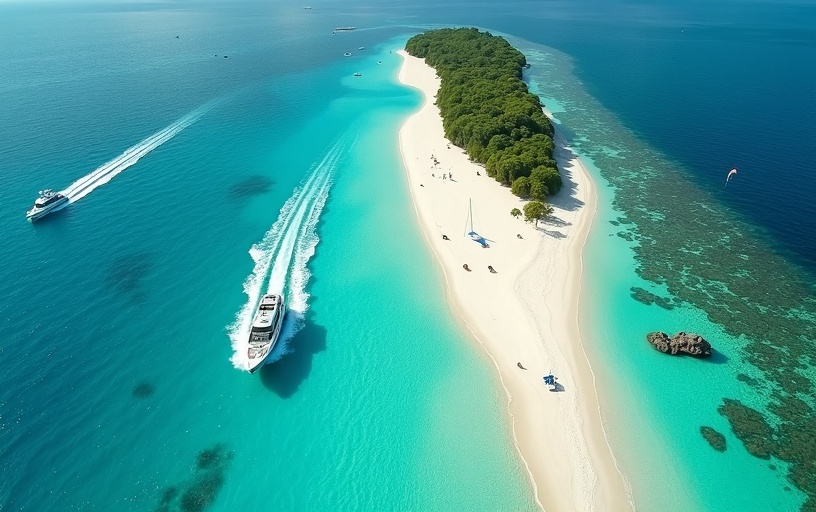
Île aux Cerfs tops our list as the most iconic beach destination in Mauritius. This small island off the east coast features some of the finest white sand beaches in the Indian Ocean, surrounded by crystal-clear turquoise lagoons.
The island is accessible only by boat, which keeps it relatively pristine despite its popularity. Speed boats from Trou d Eau Douce take just 10 minutes, while catamaran cruises offer a more leisurely approach with snorkeling stops along the way.
The main beach on the western side is the most developed, with restaurants, bars, and water sports facilities. Here you can try parasailing, tube rides, banana boats, and underwater sea walks. The beach is wide and long, with plenty of space even during busy periods.
For a quieter experience, walk to the southern or eastern beaches. These areas are less crowded and offer the same stunning beauty with a more peaceful atmosphere. The eastern side has excellent snorkeling with coral formations close to shore.
The island also features an 18-hole championship golf course designed by Bernhard Langer, considered one of the most beautiful courses in the world. Even non-golfers can appreciate the stunning views from the clubhouse restaurant.
Best time to visit: Arrive before 10 AM to secure the best beach spots. Weekdays are less crowded than weekends. The island can get busy between 11 AM and 3 PM when most tour groups arrive.
What to bring: Reef-safe sunscreen, cash for food and activities (cards accepted but cash preferred), waterproof phone case, snorkeling gear if you have your own, and a beach towel (not provided unless you are on a tour).
## 2. Trou aux Biches — Perfect for Families
Located on the northwest coast, Trou aux Biches is consistently rated as one of the best beaches in Mauritius. The long stretch of white sand and calm, shallow waters make it ideal for families with young children.
The beach is lined with casuarina trees providing natural shade, perfect for setting up for the day without needing an umbrella. The lagoon is protected by a reef about 200 meters offshore, creating a natural swimming pool with minimal waves.
Snorkeling is excellent right off the beach. The coral reef is easily accessible, and you will see colorful tropical fish, sea urchins, and occasionally sea turtles. The water is so clear that visibility often exceeds 20 meters.
The beach has good facilities including public toilets, showers, and several restaurants and beach bars. You can rent sun loungers and umbrellas, though the natural shade from trees is usually sufficient.
Water sports available include kayaking, stand-up paddleboarding, and glass-bottom boat tours. Several dive centers operate from the beach, offering PADI courses and dive trips to nearby sites.
The nearby village has supermarkets, pharmacies, and restaurants, making it convenient for self-catering visitors. The Trou aux Biches public beach is free to access and has ample parking.
Best time to visit: Early morning (7-9 AM) for the calmest waters and best snorkeling visibility. Sunset (5-6 PM) for stunning golden hour photography.
## 3. Le Morne Beach — Dramatic Beauty
Le Morne Beach sits beneath the dramatic Le Morne Brabant mountain, a UNESCO World Heritage Site. This southwest coast beach offers a unique combination of natural beauty, historical significance, and world-class water sports.
The beach stretches for several kilometers with powdery white sand and turquoise waters. The backdrop of the 556-meter mountain creates one of the most photographed scenes in Mauritius. The mountain holds deep historical significance as a refuge for escaped slaves in the 18th and 19th centuries.
Le Morne is world-famous for kitesurfing and windsurfing. The consistent winds from June to September, combined with the shallow lagoon, create perfect conditions for these sports. Several schools offer lessons for beginners and equipment rental for experienced riders.
The public beach area is less developed than resort beaches, giving it a more natural feel. There are a few beach bars and restaurants, but facilities are basic. Most visitors come for the scenery and water sports rather than amenities.
The lagoon is excellent for swimming, though be aware of the kite and windsurfers during peak season. The designated swimming areas are clearly marked. Snorkeling is good but not as spectacular as other locations.
Sunset at Le Morne is absolutely magical. The sun sets behind the mountain, creating dramatic silhouettes and golden light. Many photographers and couples come specifically for sunset shots.
Best time to visit: June to September for kitesurfing. November to April for swimming and relaxation. Sunset year-round for photography.
## 4. Belle Mare Beach — Endless White Sand
The east coast Belle Mare Beach stretches for over 10 kilometers, making it one of the longest beaches in Mauritius. The pristine white sand and turquoise waters are postcard-perfect, and the beach is surprisingly uncrowded despite its beauty.
This beach is home to several luxury resorts including the famous Constance Belle Mare Plage and LUX Belle Mare. However, all beaches in Mauritius are public, so you can access this stunning coastline even if you are not staying at a resort.
The lagoon is wide and shallow, perfect for long walks in the water. The sand is incredibly fine and white, and the water clarity is exceptional. Swimming is excellent, though be aware of the southeast trade winds from June to September which can create some waves.
Belle Mare is less developed than the north coast beaches, giving it a more tranquil atmosphere. There are fewer water sports operators and beach vendors, which some visitors prefer for a more peaceful experience.
The beach is close to Île aux Cerfs, making it an ideal base for exploring the east coast. Many catamaran cruises depart from this area, and you can easily arrange day trips to the island.
Snorkeling is decent but not the best on the island. The reef is further offshore here, so you will need to swim out or take a boat to reach the best spots. Some resorts offer complimentary snorkeling trips.
Best time to visit: October to May for the calmest seas. Early morning for the most peaceful atmosphere and best light for photography.
## 5. Flic en Flac — Sunset Paradise
Flic en Flac on the west coast is a local favorite and one of the longest public beaches in Mauritius. The beach stretches for several kilometers and is known for having the best sunsets on the island.
The village has a vibrant, laid-back atmosphere with numerous restaurants, bars, and shops lining the beach road. It is more developed and lively than other beaches, making it popular with both tourists and locals, especially on weekends.
The lagoon is calm and suitable for swimming year-round. The beach has a gentle slope, making it safe for children. The sand is white and clean, and the water is that signature Mauritian turquoise.
Flic en Flac is a hub for diving and snorkeling. Several dive centers operate from the beach, offering trips to nearby sites including the famous Cathedral dive site. The coral reef is about 100 meters offshore and accessible by swimming or boat.
Water sports available include kayaking, stand-up paddleboarding, and boat trips. Dolphin watching tours depart from nearby Tamarin, just 10 minutes south.
The beach has excellent facilities including public toilets, showers, and numerous food options from street food to fine dining. You can rent sun loungers and umbrellas from beach vendors.
Sunset is the main event at Flic en Flac. The beach faces west, offering unobstructed views of the sun sinking into the Indian Ocean. The sky turns brilliant shades of orange, pink, and purple. Arrive around 5:30 PM to secure a good spot.
Best time to visit: Late afternoon for sunset. Weekdays are less crowded than weekends when locals flock to the beach.
## 6. Blue Bay — Snorkeling Paradise
Blue Bay in the southeast is a marine park and one of the best snorkeling spots in Mauritius. The protected status means the coral reefs are among the best preserved on the island, with incredible biodiversity.
The beach itself is beautiful with white sand and calm, shallow waters. But the real attraction is underwater. The coral gardens are just 20-30 meters from shore, easily accessible for snorkelers of all levels.
You will see over 50 species of coral and hundreds of tropical fish species including parrotfish, butterflyfish, angelfish, and clownfish. Sea turtles are occasionally spotted, and the coral formations are spectacular.
Glass-bottom boat tours are available for those who prefer to stay dry while viewing the underwater world. These tours are particularly good for families with young children or non-swimmers.
The beach has basic facilities including toilets, showers, and a few food stalls. It is less developed than north coast beaches, which helps maintain its natural beauty. Bring your own snorkeling gear if possible, though rental is available.
The marine park status means fishing and anchoring are prohibited, helping preserve the ecosystem. Please follow the rules: do not touch or stand on coral, do not feed fish, and use reef-safe sunscreen only.
Blue Bay village nearby has restaurants and shops. The area is quieter and less touristy than the north, offering a more authentic Mauritian experience.
Best time to visit: Morning (8-11 AM) for the best visibility and calmest waters. Avoid weekends when local families visit in large numbers.
## 7. Mont Choisy — Local Favorite
Mont Choisy in the north offers a long, curved beach lined with casuarina trees. This is where Mauritian families come on weekends for picnics and beach days, giving it an authentic local atmosphere.
The beach is wide and long with fine white sand. The lagoon is calm and shallow, perfect for swimming and safe for children. The casuarina trees provide excellent natural shade, so you do not need to rent umbrellas.
Mont Choisy is less commercialized than nearby Grand Baie, with fewer water sports operators and beach vendors. This makes it more peaceful and relaxing, though facilities are more basic.
The beach is popular for beach volleyball, and you will often see locals playing in the late afternoon. Join in if you are feeling social — Mauritians are friendly and welcoming.
There are a few beach restaurants and bars, but not as many as Flic en Flac or Grand Baie. Bring your own food and drinks if you want more variety or are on a budget.
Snorkeling is decent but not spectacular. The reef is further offshore here, so you will need to swim out. The beach is better suited for swimming, sunbathing, and relaxing.
Parking can be challenging on weekends when the beach is packed with local families. Arrive early (before 10 AM) to secure a spot. Weekdays are much quieter.
Best time to visit: Weekdays for a peaceful experience. Weekends to experience local beach culture and atmosphere.
## 8. Pointe d Esny — Tranquil Escape
Pointe d Esny near Blue Bay is a quieter alternative with shallow turquoise waters and a relaxed atmosphere. This southeast coast beach is perfect for those seeking tranquility away from tourist crowds.
The lagoon is incredibly shallow, extending hundreds of meters from shore. You can walk far out into the water, which remains waist-deep. This makes it excellent for families with young children.
The beach has a local, authentic feel with small guesthouses and restaurants rather than large resorts. The village is charming and offers a glimpse into everyday Mauritian life.
Kitesurfing is popular here, especially from June to September when the southeast trade winds are strong. Several kite schools operate from the beach, offering lessons and equipment rental.
The beach is close to Blue Bay Marine Park, making it easy to combine a relaxing beach day with excellent snorkeling. Water taxis can take you to the marine park in just 5 minutes.
Facilities are basic but adequate, with a few restaurants and beach bars. The lack of development is part of the charm — this is Mauritius as it used to be.
Best time to visit: Year-round for swimming. June to September for kitesurfing. Weekdays for maximum tranquility.
## 9. La Cuvette — Grand Baie Hidden Gem
La Cuvette is a small but charming beach tucked away in Grand Baie. Despite being in the tourist hub of the north, this beach maintains a peaceful atmosphere and is often overlooked by visitors.
The beach is small, just 100 meters long, but perfectly formed with white sand and calm turquoise waters. It is protected by rocks on both sides, creating a natural cove.
The location is ideal — just a short walk from Grand Baie shops, restaurants, and nightlife, yet quiet enough for a relaxing beach day. You can easily combine beach time with shopping and dining.
Swimming is excellent in the calm lagoon. The beach is popular with locals for sunset watching and evening swims. The atmosphere is relaxed and friendly.
There are no facilities on the beach itself, but everything you need is within a 5-minute walk in Grand Baie. Bring your own towels and refreshments or pop into nearby cafes.
Parking is limited, so arrive early or walk from your accommodation in Grand Baie. The beach is easily accessible and well-signposted.
Best time to visit: Early morning for a peaceful swim before the day heats up. Late afternoon for sunset.
## 10. Gris Gris — Dramatic Wild Coast
Gris Gris on the south coast is completely different from other Mauritian beaches. This is the only beach without a protective coral reef, creating dramatic waves crashing against black volcanic cliffs.
The beach is not suitable for swimming due to strong currents and waves, but it offers spectacular scenery and a wild, untamed beauty. The contrast with the calm lagoons elsewhere on the island is striking.
The cliffs provide excellent viewpoints for photography. The waves create impressive displays, especially during winter months when the seas are rougher. The sound of crashing waves is mesmerizing.
The area is popular for picnics and sightseeing. There are walking paths along the cliffs with several viewpoints. The nearby La Roche Qui Pleure (The Crying Rock) is another dramatic coastal formation worth visiting.
Gris Gris is close to other south coast attractions including Rochester Falls and the village of Souillac. It makes a great stop on a south coast exploration day.
Facilities are minimal — just a parking area and a small snack bar. Bring water and snacks if you plan to spend time here.
Best time to visit: June to September for the most dramatic waves. Avoid swimming at all times due to dangerous currents.
## Beach Safety Tips
Always swim in designated areas and respect warning flags. Red flags mean swimming is dangerous. Even in calm lagoons, be aware of boat traffic.
Wear reef-safe sunscreen to protect the coral ecosystems. Regular sunscreen contains chemicals harmful to coral reefs.
Never touch or stand on coral. It damages the reef and can cause painful cuts that are slow to heal.
Watch out for sea urchins in rocky areas. Wear water shoes when walking in shallow reef areas.
Stay hydrated and reapply sunscreen every 2 hours. The tropical sun is strong, and you can burn quickly even on cloudy days.
Keep valuables secure. While Mauritius is safe, opportunistic theft can occur on busy beaches. Use hotel safes for passports and excess cash.
Related Activities You Might Enjoy
Get Mauritius Travel Tips in Your Inbox
Join 5,000+ travelers receiving weekly insider tips, exclusive deals, and destination guides.