
Everything you need to know about snorkeling in Mauritius — best spots, marine life to expect, equipment tips, and how to choose the right tour.
Mauritius is surrounded by coral reefs that create calm lagoons perfect for snorkeling. Whether you are a beginner taking your first underwater breath or an experienced snorkeler, the island offers incredible opportunities to explore vibrant marine ecosystems. This comprehensive guide covers everything you need to know for an unforgettable snorkeling experience.
The coral reefs surrounding Mauritius are home to over 1,500 species of marine life, including 300+ species of fish, 50+ species of coral, sea turtles, rays, and occasionally dolphins and whale sharks. The warm, clear waters provide excellent visibility, often exceeding 20 meters on calm days.
## Why Mauritius Is Perfect for Snorkeling
The island protective coral reef creates natural lagoons with calm, shallow waters ideal for snorkeling. Unlike many destinations where you need to take a boat to reach good snorkeling spots, many Mauritian beaches offer excellent snorkeling right from the shore.
Water temperature ranges from 22°C in winter to 28°C in summer, comfortable year-round without a wetsuit (though a rash guard is recommended for sun protection). The tropical climate means you can snorkel any day of the year.
Mauritius has several marine parks with protected coral reefs, ensuring healthy ecosystems with abundant marine life. These conservation efforts mean the reefs are in better condition than many other Indian Ocean destinations.
## Best Snorkeling Spots in Mauritius
**Blue Bay Marine Park** is the crown jewel of snorkeling in Mauritius. This protected area on the southeast coast features over 50 species of coral and abundant tropical fish in crystal-clear waters. The coral gardens are just 20-30 meters from shore, easily accessible for snorkelers of all levels.
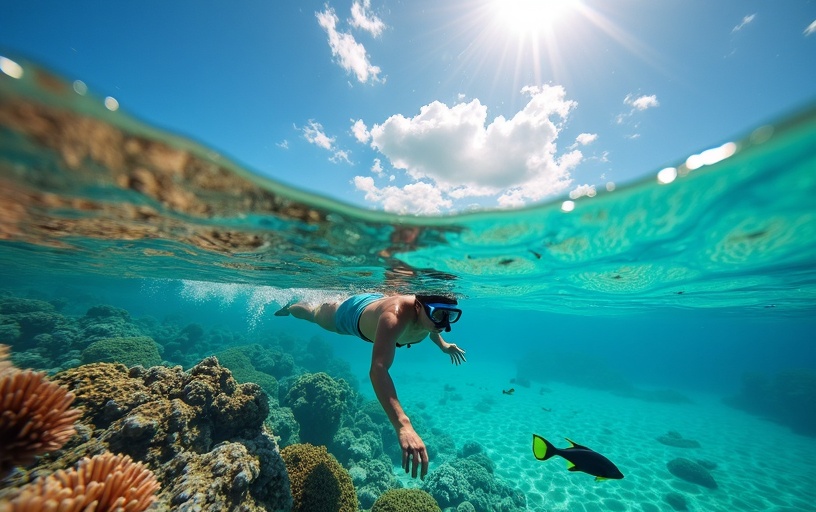
The marine park status means fishing and anchoring are prohibited, allowing the reef to thrive. You will see massive brain corals, delicate staghorn formations, and colorful soft corals. Fish species include parrotfish, butterflyfish, surgeonfish, angelfish, and clownfish hiding in anemones.
Glass-bottom boat tours are available for those who want to see the reef without getting wet. The water is so clear that you can see the coral formations from the boat.
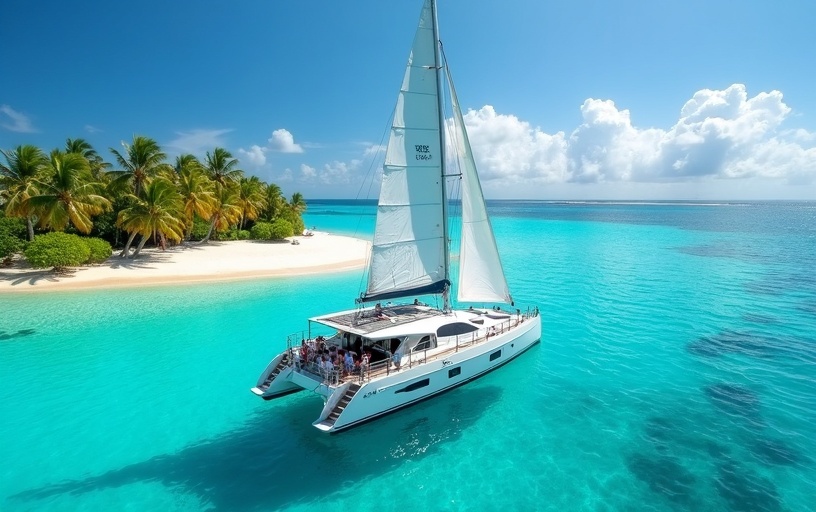
**Île aux Cerfs Lagoon** offers excellent snorkeling with colorful coral formations and a variety of tropical fish. Most catamaran cruises to the island include snorkeling stops at the best spots around the island.
The eastern side of Île aux Cerfs has the best snorkeling, with coral formations close to shore. You will see schools of tropical fish, sea cucumbers, starfish, and occasionally sea turtles. The water is incredibly clear, and the shallow depth (2-4 meters) makes it perfect for beginners.
Some tour operators offer guided snorkeling with marine biologists who can identify species and explain the ecosystem. This adds an educational element to the experience.
**Trou aux Biches Reef** is accessible directly from the beach, making it perfect for beginners. The reef is about 100-200 meters offshore, an easy swim in calm waters. The shallow lagoon (1-3 meters deep) allows you to see the coral clearly.
The reef here is healthy with good coral coverage and plenty of fish. You will see parrotfish grazing on coral, schools of sergeant majors, and colorful wrasses. You will also see octopuses hiding in coral crevices.
The area is also good for spotting sea urchins, which are common in rocky and reef areas. Avoid stepping on them — the spines are painful and difficult to remove. Wear water shoes when walking in shallow reef areas.
**Flic en Flac and Wolmar** on the west coast offer good snorkeling with the famous Cathedral dive site accessible to snorkelers on calm days. The reef is about 100 meters offshore, reachable by swimming or taking a short boat ride.
The Cathedral is an underwater cave with light beams filtering through openings in the rock, creating a magical atmosphere. The site is suitable for confident snorkelers comfortable in deeper water (4-6 meters).
Several dive centers offer guided snorkeling trips to the best spots along the west coast, including areas not accessible from shore.
**Pointe aux Piments** in the northwest has a healthy reef close to shore with good fish diversity. The area is less crowded than Trou aux Biches, offering a more peaceful snorkeling experience.
The reef here has interesting topography with coral bommies (isolated coral formations) rising from the sandy bottom. These attract schools of fish and provide shelter for eels, lionfish, and other reef dwellers.
**Balaclava Ruins** near Turtle Bay offers unique snorkeling around the submerged ruins of an old maritime arsenal. The combination of history and marine life makes this spot particularly interesting.
The ruins provide structure for coral growth and shelter for fish. You will see schools of snappers, groupers, and occasionally sea turtles. The area is best visited on a guided tour as currents can be strong.
## Marine Life You Will Encounter
**Tropical Fish:** Expect to see hundreds of colorful fish species. Parrotfish are the most common, easily identified by their bright colors and beak-like mouths used for grazing on coral. Butterflyfish and angelfish add splashes of yellow, blue, and orange to the reef.
Sergeant majors (black and white striped fish) swim in large schools. Clownfish hide in anemones, just like in Finding Nemo. Wrasses, damselfish, and surgeonfish are abundant on healthy reefs.
**Coral Formations:** You will see various coral types including brain coral (large, round formations resembling brains), staghorn coral (branching formations), table coral (flat, plate-like structures), and soft corals that sway with the current.
Coral is actually a living animal, not a plant. Each coral head is a colony of thousands of tiny polyps. Please never touch or stand on coral — it damages the reef and can take decades to recover.
**Sea Turtles:** Green sea turtles and hawksbill turtles are occasionally spotted in Mauritian waters. They come to the surface to breathe every 5-10 minutes, so keep your eyes open. If you see a turtle, observe from a distance and never chase or touch it.
**Rays:** Blue-spotted stingrays are common in sandy areas between coral formations. They are harmless if left alone. Eagle rays occasionally glide through deeper waters, a spectacular sight with their wingspan reaching 2 meters.
**Eels:** Moray eels hide in coral crevices with just their heads visible. They look intimidating but are not aggressive unless provoked. Observe from a safe distance and never put your hands in coral holes.
**Sea Urchins:** These spiny creatures are common in rocky and reef areas. Avoid stepping on them — the spines are painful and difficult to remove. Wear water shoes when walking in shallow reef areas.
**Octopuses:** These intelligent creatures are masters of camouflage. You might swim right past one without noticing. Look for movement or unusual textures on rocks and coral.
## Best Time for Snorkeling
The best snorkeling conditions in Mauritius are from **October to March** when water visibility is at its peak, reaching up to 30 meters on calm days. The sea is warmest during these months (26-28°C), and marine life is most active.
Summer months (December to March) bring plankton blooms that attract larger marine life including whale sharks (rare but possible). The warmer water also means more comfortable snorkeling without a wetsuit.
Winter months (May to September) still offer good snorkeling, though visibility may be slightly reduced (15-20 meters) and water is cooler (22-24°C). A rash guard or thin wetsuit is recommended for extended snorkeling sessions.
Time of day matters too. **Morning (8-11 AM)** offers the calmest waters and best visibility before afternoon winds pick up. The light is also better for underwater photography. **Midday** often brings wind and choppier waters, reducing visibility.
Avoid snorkeling during or immediately after heavy rain, as runoff reduces visibility. Check tide times — low tide can make some areas too shallow, while high tide provides better access to reef areas.
## Snorkeling Equipment Guide
**Mask:** The most important piece of equipment. A properly fitting mask should create a seal without being too tight. Test by placing it on your face without the strap — it should stay in place when you inhale through your nose.
Anti-fog treatment is essential. Spit in the mask, rub it around, and rinse lightly before entering the water. Or use commercial anti-fog spray. A fogged mask ruins the experience.
Consider a mask with a purge valve if you are a beginner — it makes clearing water easier. Prescription masks are available for those who wear glasses.
**Snorkel:** Choose a snorkel with a comfortable mouthpiece and a purge valve for easy water clearing. Dry-top snorkels prevent water from entering when waves wash over the top.
Full-face snorkel masks have become popular but are controversial. They offer easier breathing and a wider field of vision but can be dangerous if they malfunction. If using one, choose a quality brand and never dive below the surface.
**Fins:** Not essential for shallow lagoon snorkeling but helpful for covering more distance and swimming against currents. Short fins are easier to use and pack than long fins.
Adjustable fins work with water shoes or booties, providing foot protection when entering from rocky shores.
**Rash Guard or Wetsuit:** Even in warm water, a rash guard is recommended for sun protection. You can burn badly on your back while snorkeling, even with waterproof sunscreen.
A thin wetsuit (2-3mm) provides warmth in winter months and protection from jellyfish (rare but possible). It also provides buoyancy, making floating easier for nervous swimmers.
**Water Shoes:** Protect your feet when entering from rocky shores and prevent sea urchin stings. They also provide grip on slippery rocks and boat decks.
**Waterproof Camera:** Capture your underwater adventures with a waterproof camera or phone case. GoPros and similar action cameras are popular. Even budget waterproof cameras can capture great memories.
## Renting vs. Bringing Your Own Equipment
Most tour operators and beach vendors provide snorkeling equipment, but quality varies. Masks may not fit properly, and snorkels can be uncomfortable. If you snorkel regularly, investing in your own equipment ensures a better experience.
Rental costs are typically 200-300 MUR (5-7 euros) per day for mask, snorkel, and fins. Over a week-long holiday, buying your own equipment can be more economical.
If renting, inspect equipment carefully. Check masks for cracks and ensure a good seal. Test snorkels for comfortable mouthpieces. Rinse everything thoroughly before use.
## Snorkeling Tours vs. Independent Snorkeling
**Guided Snorkeling Tours** offer several advantages: transportation to the best spots, equipment provided, safety supervision, and local knowledge about marine life. Many tours include multiple snorkeling stops, lunch, and drinks.
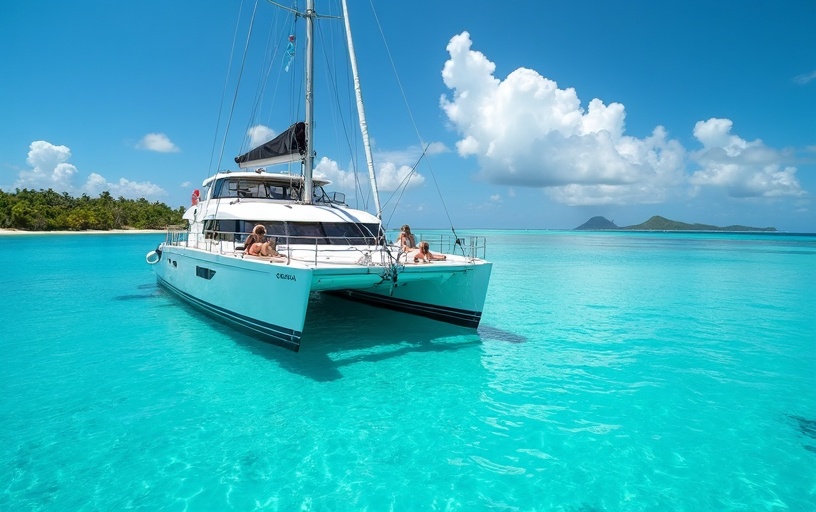
Catamaran cruises to Île aux Cerfs typically include 1-2 snorkeling stops at prime locations. The crew knows where the best coral and fish are, and they provide safety supervision.
Dedicated snorkeling tours visit multiple sites in one day, maximizing your underwater time. Some include marine biologists who provide educational commentary.
**Independent Snorkeling** from beaches is free and allows you to go at your own pace. Best beaches for shore snorkeling are Blue Bay, Trou aux Biches, and Pointe aux Piments.
Advantages include flexibility, no time limits, and no crowds. You can return to favorite spots and explore at your leisure.
Disadvantages include limited access to the best spots (many require boats), no safety supervision, and you need your own equipment.
## Safety Tips for Snorkeling
**Never snorkel alone.** Always have a buddy, even if you are an experienced swimmer. If something goes wrong, you need someone to help.
**Check conditions before entering.** Avoid snorkeling in rough seas, strong currents, or poor visibility. If in doubt, ask locals or tour operators about conditions.
**Stay aware of boat traffic.** Use a snorkel float or dive flag to make yourself visible to boats. Stay close to shore in designated swimming areas.
**Do not touch anything underwater.** Coral can cut you, sea urchins can sting you, and some fish are venomous. Look but do not touch.
**Watch your energy levels.** It is easy to swim further than intended while focused on the underwater world. Save energy for the swim back. If tired, float on your back and rest.
**Know your limits.** If you are not a confident swimmer, stay in shallow water and wear a flotation device. Many tour operators provide flotation vests.
**Beware of currents.** If caught in a current, do not fight it. Swim parallel to shore until out of the current, then swim back to shore.
**Sun protection.** Apply reef-safe sunscreen 30 minutes before entering the water. Reapply after snorkeling. Wear a rash guard for extended sessions.
**Stay hydrated.** Drink plenty of water before and after snorkeling. Dehydration combined with sun exposure can cause problems.
## Environmental Responsibility
**Use reef-safe sunscreen only.** Regular sunscreen contains oxybenzone and octinoxate, chemicals that damage coral reefs. Look for mineral-based sunscreens with zinc oxide or titanium dioxide.
**Do not feed fish.** Feeding disrupts natural behaviors and can harm fish health. It also attracts aggressive species and creates dependency on humans.
**Do not collect shells or coral.** It is illegal to remove anything from marine parks. Even empty shells provide homes for hermit crabs.
**Do not stand on coral.** A single touch can kill coral polyps. Coral reefs grow slowly — damage can take decades to recover.
**Control your fins.** Fin kicks can break coral. Maintain good buoyancy and swim above the reef, not through it.
**Take only photos, leave only bubbles.** Enjoy the underwater world without impacting it. Future generations deserve to see the same beauty.
## What to Bring for a Snorkeling Day
Reef-safe sunscreen, waterproof phone case or camera, towel, water bottle, snacks, cash for rentals or purchases, rash guard or wetsuit, water shoes, hat and sunglasses for boat rides, dry bag for valuables, and motion sickness medication if prone to seasickness on boats.
## Best Snorkeling Tours in Mauritius
Our **Catamaran Cruises to Île aux Cerfs** include snorkeling stops at prime locations with equipment provided. The full-day tour includes BBQ lunch, unlimited drinks, and plenty of time for snorkeling and beach relaxation.
The **North Coast Catamaran** visits Gabriel Island with a scenic sail past Coin de Mire (Gunners Quoin), known for excellent snorkeling with diverse marine life.
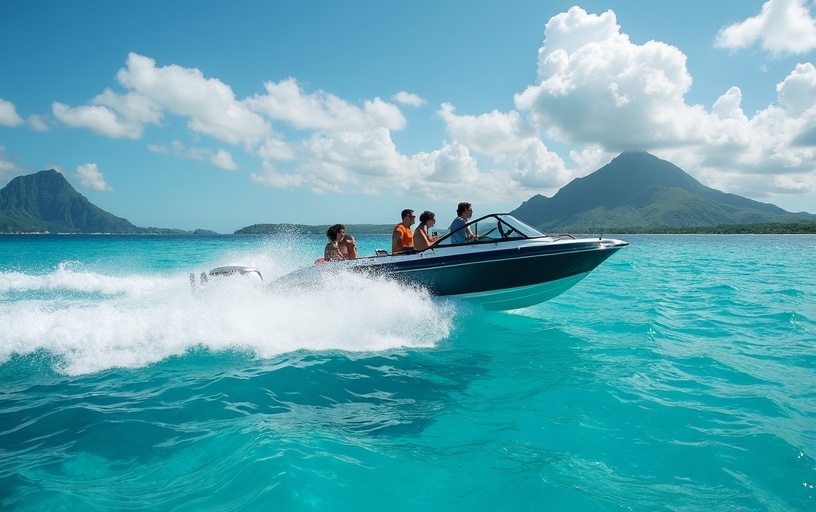
For a more intimate experience, **Speed Boat Tours** offer smaller groups and the flexibility to spend more time at the best snorkeling spots.
All our tours include snorkeling equipment, safety briefings, and experienced crew who know the best spots and can assist beginners.
Related Activities You Might Enjoy
Get Mauritius Travel Tips in Your Inbox
Join 5,000+ travelers receiving weekly insider tips, exclusive deals, and destination guides.