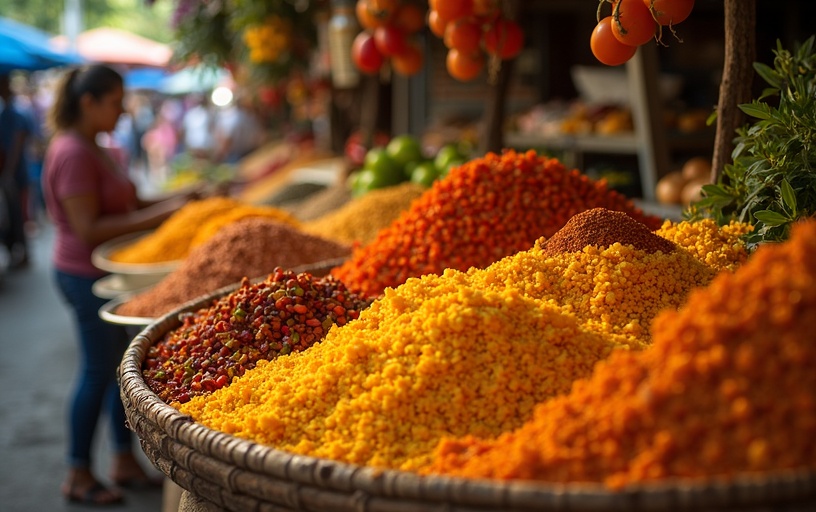

From dholl puri to gateaux piments, discover the incredible street food culture of Mauritius. A foodie guide to the island most delicious and affordable eats.
Mauritian cuisine is a delicious fusion of Indian, Chinese, French, and Creole flavors, reflecting the island multicultural heritage. The street food scene is vibrant, affordable, and absolutely delicious — offering some of the best culinary experiences you will have on the island. This comprehensive guide covers everything you need to know about Mauritian street food.
Street food in Mauritius is not just about convenience or budget eating. It is an integral part of the culture, where locals from all backgrounds gather to enjoy authentic flavors. From bustling markets to roadside stalls, the street food scene offers a window into the soul of Mauritian society.
## Why Mauritian Street Food Is Special
The island history as a colonial crossroads created a unique culinary fusion. Indian indentured laborers brought curries and flatbreads. Chinese immigrants introduced noodles and dumplings. French colonizers contributed baguettes and pastries. African slaves added Creole spices and cooking techniques.
The result is a cuisine unlike anywhere else in the world. Where else can you find Indian dholl puri served in a French baguette, or Chinese noodles flavored with Creole rougaille? This fusion is what makes Mauritian street food so exciting.
Street food is also incredibly affordable. You can eat a filling meal for 50-100 MUR (1-2 euros), making it accessible to everyone. This democratic nature means you will find businesspeople in suits eating alongside construction workers at the same food stall.
## The 15 Must-Try Street Food Dishes
## 1. Dholl Puri — The King of Mauritian Street Food
Dholl Puri is the undisputed champion of Mauritian street food. These thin, soft flatbreads are filled with ground yellow split peas (dholl), then topped with butter bean curry (cari gros pois), tomato chutney (rougaille), and spicy pickles (achards).
The bread is cooked on a flat griddle until it puffs up, creating layers. The filling is spread inside while still hot, then the toppings are added. The combination of textures and flavors — soft bread, creamy curry, tangy chutney, spicy pickles — is absolutely addictive.
A single dholl puri costs just 15-25 MUR (less than 50 cents), making it the ultimate budget meal. Most people eat 2-3 for a filling lunch. They are sold from roadside stalls, markets, and even from the backs of vans.
The best dholl puri are found at small family-run stalls that have been making them for generations. Ask locals for their favorite spot — everyone has strong opinions about where to find the best dholl puri.
Eating technique: Fold it in half, then in half again to create a manageable package. Eat with your hands (the traditional way) or ask for a fork if you prefer. Be warned — it is messy but delicious.
## 2. Gateaux Piments — Chili Cakes
Gateaux Piments (literally "chili cakes") are crispy, deep-fried lentil fritters seasoned with herbs, spices, and chili. They are the perfect snack — crunchy on the outside, soft on the inside, with a spicy kick.
The batter is made from ground split peas mixed with chopped onions, coriander, curry leaves, and green chilies. Small spoonfuls are deep-fried until golden brown. The result is incredibly flavorful and addictive.
They are often served in a bread roll (pain gateaux piments) with butter and chutney, creating a spicy vegetarian sandwich. This is a popular breakfast or afternoon snack.
You will find gateaux piments at most street food stalls and markets. They cost about 10-15 MUR each, or 30-40 MUR for a bread roll. They are best eaten fresh and hot.
Pro tip: Ask for "pas piment" (not spicy) if you cannot handle heat. Most vendors can adjust the spice level.
## 3. Alouda — The Ultimate Refreshment
Alouda is a sweet, milk-based drink that is perfect for cooling down after a day at the beach or exploring in the heat. It is made with milk, basil seeds (tukmaria), agar-agar jelly, and flavored syrup (rose, vanilla, or almond).
The basil seeds swell up in liquid, creating a texture similar to tapioca pearls. The agar-agar jelly adds another textural element. The combination is refreshing and surprisingly filling.
Alouda is sold from street vendors with colorful carts, especially in Port Louis and at beaches. It costs 30-50 MUR per cup. Some vendors add ice cream on top for an extra treat.
The drink has Indian origins but has been adapted to Mauritian tastes. It is particularly popular during hot summer months and after spicy meals.
## 4. Mine Frite — Mauritian Fried Noodles
Mine Frite is the Mauritian take on Chinese chow mein. Egg noodles are stir-fried with vegetables, soy sauce, and your choice of protein (chicken, shrimp, pork, or tofu). The result is savory, satisfying, and full of wok flavor.
What makes Mauritian mine frite different from Chinese versions is the addition of local spices and sometimes a touch of chili. The noodles are cooked over high heat in a wok, creating that characteristic smoky flavor.
You will find mine frite at Chinese restaurants, food stalls, and markets. A generous portion costs 80-150 MUR depending on the protein. It is a popular lunch and dinner option.
The best mine frite has a good balance of noodles, vegetables, and protein, with each strand of noodle coated in sauce. The texture should be slightly chewy, not mushy.
## 5. Roti — Flaky Flatbread with Curry
Roti (also called farata) is a flaky, layered flatbread similar to Indian paratha. It is served with various curries — chicken, lamb, fish, or vegetable. The bread is perfect for scooping up curry and soaking up the flavorful sauce.
Making roti requires skill. The dough is stretched thin, brushed with oil, folded, and cooked on a griddle. The layers create a flaky texture that is both crispy and soft.
The best rotis are found at small roadside stalls in Port Louis, Quatre Bornes, and Rose Hill. They are typically served for breakfast or lunch. A roti with curry costs 50-100 MUR.
Eating technique: Tear off pieces of roti and use them to scoop up curry. Eat with your hands for the authentic experience.
## 6. Boulettes — Mauritian Dumplings
Boulettes are steamed dumplings that come in many varieties — fish, chicken, pork, or shrimp. They are served in a fragrant broth with vegetables and sometimes noodles. This Chinese-influenced dish has become a Mauritian comfort food staple.
The dumplings are made with a thin wrapper filled with seasoned meat or fish. They are steamed until tender, then served in a light broth flavored with ginger, garlic, and soy sauce.
Boulettes are particularly popular for breakfast and lunch. You will find them at Chinese restaurants and food stalls. A bowl costs 60-100 MUR and is quite filling.
The best boulettes have a delicate wrapper that does not break apart, with a flavorful filling that is not too dense. The broth should be light but flavorful.
## 7. Samosas — Crispy Triangular Pastries
Mauritian samosas are similar to Indian versions but with local variations. The triangular pastries are filled with spiced vegetables, meat, or fish, then deep-fried until crispy and golden.
Vegetable samosas typically contain potatoes, peas, and spices. Meat versions use minced beef or chicken. Fish samosas are a Mauritian specialty, often made with tuna.
They are sold at markets, street stalls, and even supermarkets. They cost 15-25 MUR each and make a perfect snack. They are best eaten hot with chutney or hot sauce.
Pro tip: Look for samosas that are freshly fried. They should be crispy, not soggy. The filling should be well-spiced but not overpowering.
## 8. Gateau Arouille — Taro Cakes
Gateau Arouille are savory cakes made from grated taro root mixed with herbs, spices, and sometimes dried shrimp. They are steamed, then sliced and fried until crispy on the outside.
Taro is a starchy root vegetable common in tropical cuisines. In Mauritius, it is used in both sweet and savory dishes. Gateau arouille has a unique texture — soft and slightly sticky inside, crispy outside.
These cakes are less common than dholl puri or gateaux piments but worth seeking out. You will find them at markets and some street stalls. They cost 20-30 MUR per piece.
They are often served with chutney or hot sauce. The flavor is mild and earthy, with the spices and herbs providing most of the flavor.
## 9. Vindaye — Pickled Fish or Octopus
Vindaye is a tangy, spicy dish of fish or octopus marinated in a mustard-based sauce with turmeric, garlic, and vinegar. It is served cold or at room temperature, making it perfect for hot days.
The dish has Indian origins but has been adapted to use local seafood. The mustard and vinegar create a sharp, tangy flavor that is balanced by the spices. It is typically quite spicy.
Vindaye is sold at markets and some street stalls, usually by weight. It is often eaten with bread or rice. The flavor improves after a day or two as the fish absorbs the marinade.
This is an acquired taste — the strong flavors are not for everyone. But if you like bold, spicy, tangy foods, vindaye is a must-try.
## 10. Gato Pima — Cassava Cake
Gato Pima is a sweet cake made from grated cassava, coconut, sugar, and spices. It is steamed until set, creating a dense, moist cake with a unique texture.
Cassava (also called manioc) is a starchy root vegetable. When grated and mixed with coconut, it creates a naturally sweet, slightly chewy cake. Cardamom and vanilla add aromatic notes.
This traditional Creole dessert is sold at markets and some street stalls. It costs 20-40 MUR per slice. It is best eaten at room temperature.
The texture is unlike Western cakes — denser and more pudding-like. The coconut flavor is prominent, and the sweetness is moderate, not overwhelming.
## 11. Biryani — Fragrant Rice Dish
Mauritian biryani is a fragrant rice dish with Indian origins. Basmati rice is cooked with meat (chicken, lamb, or fish), vegetables, and aromatic spices including saffron, cardamom, and cinnamon.
The rice is layered with the meat and cooked slowly, allowing the flavors to meld. The result is incredibly fragrant and flavorful. Each grain of rice should be separate and coated in spices.
Biryani is sold at markets, restaurants, and some street stalls. A portion costs 80-150 MUR depending on the meat. It is a popular lunch and dinner option.
The best biryani has a good balance of rice and meat, with the spices enhancing rather than overwhelming the dish. It is often served with raita (yogurt sauce) and pickles.
## 12. Puri — Fried Bread
Puri are small, round breads that puff up when deep-fried. They are crispy and light, perfect for scooping up curries or eating with pickles and chutneys.
Unlike dholl puri (which are filled), these puri are plain fried bread. They are made from wheat flour dough rolled thin and fried in hot oil until they balloon up.
Puri are typically served for breakfast with potato curry or chickpea curry. They are sold at markets and street stalls for 10-15 MUR each.
They are best eaten immediately while still hot and crispy. As they cool, they deflate and become less appealing.
## 13. Napolitaine — Mauritian Pastry
Napolitaine is a sweet pastry that is uniquely Mauritian. It consists of a shortbread-like biscuit topped with pink icing and a cherry. Despite the Italian name, it is a local creation.
The biscuit is buttery and crumbly, while the icing is sweet and slightly chewy. The combination is simple but satisfying. It is a popular snack with tea or coffee.
Napolitaine are sold at bakeries and supermarkets throughout Mauritius. They cost 10-20 MUR each. They are not street food per se, but they are an iconic Mauritian snack.
The pink color comes from food coloring — there is no strawberry or other fruit flavor. The taste is simply sweet vanilla.
## 14. Mazavaroo — Spicy Dried Fish
Mazavaroo is dried fish (usually mackerel) that is fried until crispy and mixed with spices, curry leaves, and sometimes tamarind. It is intensely flavorful and quite spicy.
The fish is salted and sun-dried, then fried in oil with spices. The result is crispy, salty, spicy, and utterly addictive. It is typically eaten with rice or bread.
This is a traditional Creole dish that is less common in tourist areas. You will find it at local markets and some street stalls. It is sold by weight.
The flavor is very strong — salty, fishy, and spicy. It is definitely an acquired taste, but locals love it. If you are adventurous, give it a try.
## 15. Lassi — Yogurt Drink
Lassi is a refreshing yogurt-based drink that can be sweet or savory. Sweet versions are flavored with mango, rose, or cardamom. Savory versions include salt and spices.
The drink has Indian origins and is popular in Mauritius, especially during hot weather. It is cooling and helps balance spicy foods.
Lassi is sold at juice bars, markets, and some street stalls. It costs 40-60 MUR per cup. Mango lassi is the most popular flavor.
The texture is thick and creamy, almost like a smoothie. It is both refreshing and filling.
## Where to Find the Best Street Food
**Port Louis Central Market** is the ultimate street food destination in Mauritius. This bustling market in the capital city offers an incredible variety of local dishes, fresh produce, spices, and souvenirs.
The food court on the first floor has dozens of stalls serving everything from dholl puri to biryani. The atmosphere is lively and authentic. Prices are very reasonable, and the quality is excellent.
The market is open Monday to Saturday from 5:30 AM to 5:30 PM, and Sunday until noon. It is busiest during lunch hours (11 AM to 2 PM) when office workers come for their meals.
Pro tip: Arrive hungry and try multiple dishes from different stalls. Most items are cheap enough that you can sample widely.
**Quatre Bornes Market** is another excellent option, especially on Thursdays when the weekly market takes over the town center. You will find street food stalls alongside vendors selling clothes, household goods, and produce.
The market has a more local feel than Port Louis. The food is authentic and delicious, with particularly good roti and dholl puri stalls.
**Mahebourg Market** on the east coast is the largest market in Mauritius. It operates on Wednesday and Sunday and offers excellent street food alongside fresh produce and local products.
The market is huge and can be overwhelming. Focus on the food section and try dishes you have not seen elsewhere. The Sunday market is particularly lively.
**Mahebourg Waterfront** on Monday mornings hosts a market with excellent street food and a beautiful setting by the sea. This is a great place to combine sightseeing with food exploration.
**Roadside Stalls** throughout the island offer some of the best street food. Look for stalls with long queues of locals — that is always a good sign. Popular areas include the roads around Port Louis, Rose Hill, and Curepipe.
## Street Food Etiquette and Tips
**Hygiene:** Choose stalls that are busy with high turnover — food is fresher and less likely to sit around. Look for clean preparation areas and vendors who handle food properly.
Avoid stalls where food is sitting out in the sun for long periods. Freshly cooked items are always safer. If something looks or smells off, trust your instincts and skip it.
**Payment:** Most street food vendors accept cash only. Have small bills (50, 100, 200 MUR notes) as vendors often do not have change for large bills.
Prices are usually fixed, but at markets you can sometimes negotiate for bulk purchases. Do not try to haggle over a 15 MUR dholl puri — it is already incredibly cheap.
**Language:** Most vendors speak Creole and French, with some English. Learn a few basic phrases: "Combien?" (How much?), "Pas piment" (Not spicy), "Merci" (Thank you).
Pointing and gestures work well if there is a language barrier. Vendors are generally patient and helpful with tourists.
**Eating:** Many street foods are eaten with hands, which is perfectly acceptable and traditional. Some stalls provide forks if you prefer.
If eating with hands, use your right hand only (left hand is considered unclean in many cultures). Wash your hands before and after eating.
**Spice Level:** Mauritian food can be quite spicy. If you are sensitive to heat, always ask for "pas piment" (not spicy) or "peu piment" (little spicy). Most vendors can adjust the spice level.
Have water or alouda on hand to cool your mouth if you accidentally eat something too spicy. Milk-based drinks are more effective than water for neutralizing capsaicin.
**Timing:** The best time for street food is lunch (11 AM to 2 PM) when everything is freshly prepared and stalls are busy. Some breakfast items like roti and puri are best in the morning (7-9 AM).
Avoid eating street food late at night unless the stall is very busy. Food that has been sitting around for hours is more likely to cause stomach issues.
## Health and Safety
Mauritius has good food safety standards, and street food is generally safe to eat. However, as with any destination, use common sense.
Stick to cooked foods rather than raw items. Fried foods are generally safer as the high heat kills bacteria. Be cautious with salads and cut fruits unless you know they have been washed properly.
Drink bottled water rather than tap water, especially when eating street food. Most vendors sell bottled water.
If you have a sensitive stomach, start with small portions and see how you react before eating large amounts. Give your digestive system time to adjust to new foods and spices.
Carry hand sanitizer or wet wipes for cleaning your hands before eating, especially if washing facilities are not available.
## Budget Guide
Street food is incredibly affordable in Mauritius. Here is what you can expect to pay:
- Dholl puri: 15-25 MUR (0.30-0.50 euros)
- Gateaux piments: 10-15 MUR each (0.20-0.30 euros)
- Alouda: 30-50 MUR (0.60-1 euro)
- Mine frite: 80-150 MUR (1.60-3 euros)
- Roti with curry: 50-100 MUR (1-2 euros)
- Boulettes: 60-100 MUR (1.20-2 euros)
- Samosas: 15-25 MUR each (0.30-0.50 euros)
You can easily eat three filling meals a day for 300-500 MUR (6-10 euros) if you stick to street food. This makes Mauritius very affordable for budget travelers.
## Vegetarian and Vegan Options
Mauritius is excellent for vegetarians, with many street food options naturally meat-free. Dholl puri, gateaux piments, vegetable samosas, vegetable mine frite, and various curries are all vegetarian.
Vegans need to be more careful as many dishes contain dairy (butter, ghee, milk). Ask vendors about ingredients. Dholl puri can be made without butter, and many curries are naturally vegan.
The Indian influence means vegetarian food is common and well-prepared, not an afterthought. You will not go hungry as a vegetarian in Mauritius.
## Taking Street Food Culture Home
Many street food items are difficult to recreate at home without specific ingredients and equipment. However, you can bring back spices, curry pastes, and pickles from markets.
Port Louis Central Market has spice vendors selling curry powder, garam masala, turmeric, and other essentials. These make great souvenirs and allow you to recreate Mauritian flavors at home.
Some vendors sell pre-made curry pastes and chutneys that travel well. Just be aware of customs regulations about bringing food products into your home country.
## Final Thoughts
Street food is the heart and soul of Mauritian cuisine. It is where locals eat, socialize, and celebrate their multicultural heritage. By exploring the street food scene, you are not just eating — you are experiencing Mauritian culture in its most authentic form.
Do not be afraid to try new things. The worst that can happen is you do not like something, and at these prices, it is not a big loss. The best that can happen is you discover your new favorite food.
Talk to locals, ask for recommendations, and be adventurous. Some of the best meals you will have in Mauritius will cost less than a coffee back home.
Get Mauritius Travel Tips in Your Inbox
Join 5,000+ travelers receiving weekly insider tips, exclusive deals, and destination guides.